
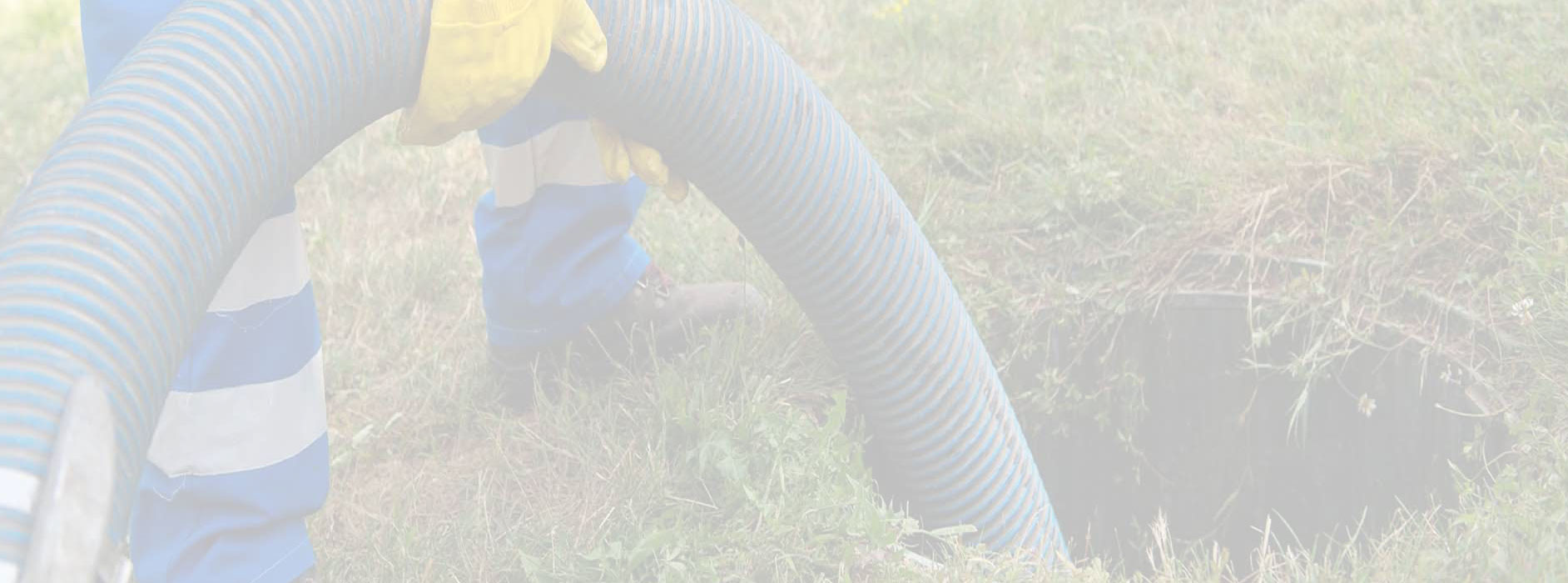
Cesspit Emptying
Cesspits, also known as cesspools, come in various shapes and sizes and are typically installed underground. Modern cesspools often feature a fiberglass holding tank with an inlet, while older models are commonly constructed from brick or metal.
Our team of engineers provides comprehensive emptying and maintenance services for your cesspit or cesspool in Lower Slackstead. Additionally, we offer expert guidance to assist you in determining the most suitable solution for your needs.
Whether you're a homeowner with a cesspit in a remote area or you oversee a sizable commercial enterprise in Lower Slackstead, we ensure prompt and efficient septic tank and cesspit emptying with minimal disruption.
Regular emptying of your cesspit is vital in preventing overflow, blockages, and expensive damage to your sewage system and the surrounding environment.

What is the Cost of Emptying Your Cesspit?
The cost of cleaning your cesspit or septic tank will vary based on your location and the amount of waste requiring collection. Utilize our exclusive ‘Instant Quote’ form to determine the price of your septic tank emptying promptly.
Upon receiving your quote, if you’re satisfied, you can proceed to book and make payment conveniently online. Our system is accessible every day, around the clock.
We provide friendly, affordable, and local services in Lower Slackstead for cesspit, sewage treatment plant, and septic tank emptying, cleaning, and pumping.
We're here for you at all times, whether it's for regular maintenance or responding to emergency calls, providing top-notch cesspit emptying services. Our pride lies in our modern fleet of vehicles equipped with state-of-the-art technology, ensuring the reliability and efficiency we aim for.
Our approachable and knowledgeable office staff are ready to assist with any inquiries regarding your septic tank needs or to schedule your cesspit emptying at your convenience.
On-site, our dedicated and friendly team of fully trained engineers ensures that the emptying process is conducted to the highest standards with minimal disruption. They're always available and eager to address any questions you might have about your sewage system.
- Cyclospora spreads through human waste – so how did it get on food?
by Joan Rose, Professor of Water Research; Director, Water Alliance, Michigan State University on 10 August 2026 at 12:35US sewage treatment plants likely don’t get rid of all the disease-causing protozoa, and monitoring discharged wastewater for it is difficult.
- Should you swim in Pittsburgh’s rivers? A water researcher breaks down the answer
by Daniel Bain, Associate Professor of Geology & Environmental Science, University of Pittsburgh on 22 June 2026 at 12:34A newly drafted Pittsburgh Steelers player asked whether the city’s rivers are safe for swimming. A water researcher explains what ‘swimmable’ really means regarding the three rivers.
- England’s sewage spills: why citizen scientists want to test for pollution themselves
by Hope Steadman, PhD Candidate in Geography and the Environment, University of Oxford on 18 June 2026 at 11:42Citizens are taking water testing into their own hands as sewage spills in rivers and on beaches increasingly get reported.
- Washington DC’s 240 million-gallon sewage spill is a symptom of nationwide trouble
by Marccus D. Hendricks, Associate Professor of Urban Studies and Environmental Planning, University of Maryland on 16 April 2026 at 12:45The largest sewage spill in US history wasn’t the first, and it won’t be the last.
- Five warning signs that rivers are polluted – even when they look clean
by Jess Neumann, Associate Professor of Hydrology, University of Reading on 10 April 2026 at 09:08River water is not expected to prove to be less polluted when results are published later this year.